
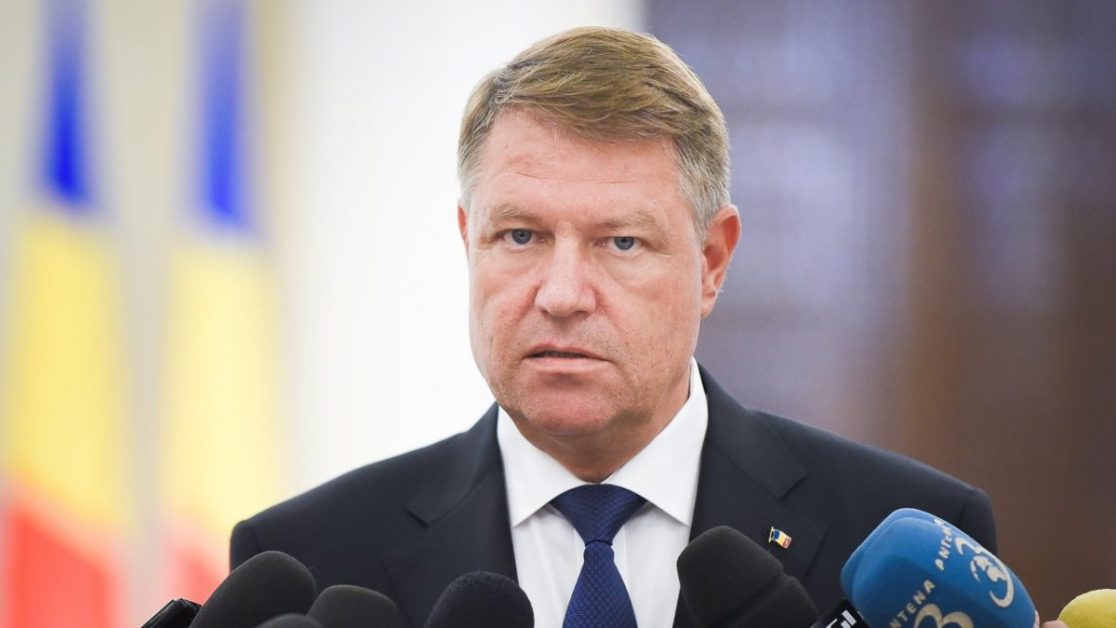
Following the visit of president Klaus IOHANNIS to Szeklerland on July 18th, the Romanian media was quick to laud his patriotic behaviour and his “formidable” tactics in avoiding the “traps” laid out for him by the representatives of the local Hungarian community. They especially appreciated the fact that the president refused to personally accept a Szekler flag which was offered to him, and called upon one of the bodyguards to take it instead, while he himself presented his hosts with a Romanian flag. Furthermore, even though the president listened to some of the concerns expressed by the local leaders, including the ethnic discrimination still faced by the Hungarian community, IOHANNIS was eager to dismiss these, and asked his audience to focus instead on the issues that concern the rest of the country in equal measure, a feat also very much appreciated by the Romanian media.
Unfortunately however, some political commentators went further with their enthusiastic praise of the president, which quickly turned into an alarmingly xenophobic discourse directed against the Hungarian community of Szeklerland. In expressing his dismay at the president being offered a Szekler flag, Rareș BOGDAN, the host of a talk-show entitled Jocuri de putere (Power games) on Realitatea TV, known for his anti-Hungarian statements, went as far as referring to the flag of Szeklerland as a “pillow case” and a “bedsheet”. Upon the whole, the tone of the entire show was extremely hostile towards the Hungarian community and its leaders, who “dared” to raise the “alleged” issues of the Szeklers to the president. One of the guests of the talk-show, a historian nonetheless, went as far as exclaiming: ”We have to show the door to those who do not want to be Romanians!” – implying that there should be no place in Romania for those who are different than the majority.
It is worrisome to witness once again how quickly public opinion can be turned against the Hungarian community of Romania, and how visceral the anti-Hungarian sentiment can still be 100 years after the formation of the modern Romanian state and 27 years after the instalment of democracy.